

HR With Its Head Out the Window
Updated: Mar 10
A conversation with Eva Mattheeussen, Head of HR MEA at DHL Global Forwarding.
| Written by Eva Mattheeussen

I had a proper conversation with Eva Mattheeussen recently. She runs HR for DHL Global Forwarding across the Middle East and Africa. It is a busy patch of the world. The first thing she made clear is that her team doesn't just sit in an office pushing paper. They go to customer meetings and work on projects with the business to get their hands dirty.
It sounds obvious, yet most HR departments still operate like a priesthood. They dispense wisdom from a back office where being summoned to ‘go see HR’ can still induce fear.
Her point is simple: if HR doesn't understand the business, it can't help the business. You can write all the frameworks you like. If you've never sat across from a client or watched a successful sales presentation go south, you cannot really know the nuances of the business.
Eva puts it plainly. Her job is to ensure her people aren't limited to their role in HR. Most functions are built to stay in their lane, but Eva's built hers to drive right across it when necessary. The payoff is credibility. Colleagues stop treating HR like a us Vs them compliance desk and start treating it like a proper partner.

The Long Game
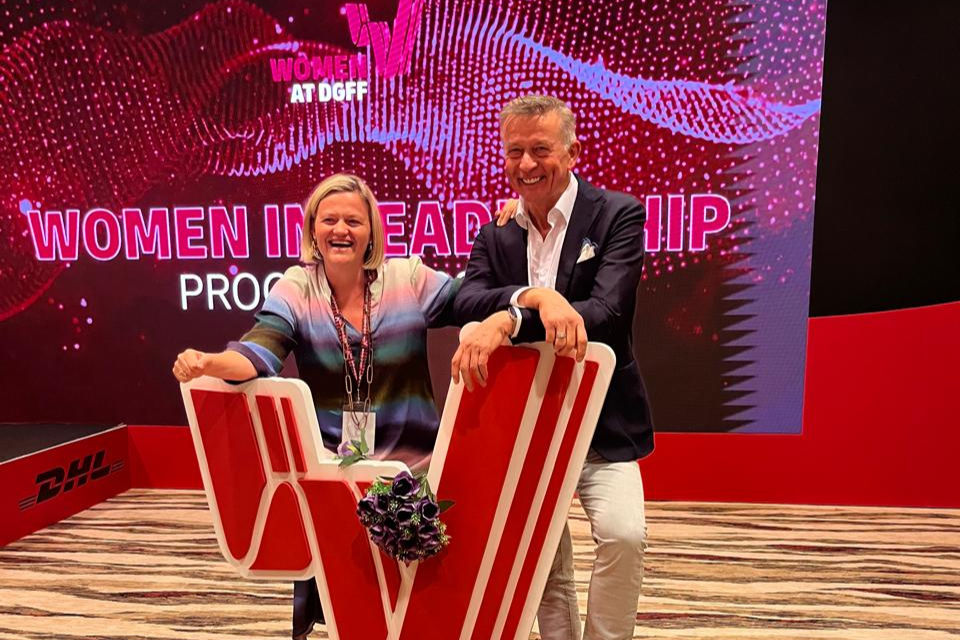
Eva's been running a leadership programme for women in the region for six years. It won an award recently, but what matters is the consistency. Most of these initiatives are flash-in-the-pan workshops that everyone forgets by Tuesday.
The programme follows a clear path. It starts with self-reflection before moving into business strategy and public speaking. When the formal bit ends, peer coaching circles keep the momentum alive. You cannot assume a community builds itself. It needs a bit of steering and a lot of sweat.
Building With Data
Eva said something during our conversation that I keep turning over. She was describing how if she was tasked with building an HR department from scratch today she would dive deep into the data. And then strip away all the speedbumps and roadblocks “You need to have the basics very right… and less is always much more,” she said.
That is the conundrum in one sentence, while many organisations use employee scores to write the same annual report they wrote last year.
For Eva, good planning means understanding what the business needs, what leadership expects and what the talent is feeling on the floor. You have to get the basics right and resist the urge to make everything complicated.
Empowerment creates happy workplaces, and authenticity is the leadership trait that sustains them.
Sponsorship Beats Mentorship Every Day Of The Week
This is where Eva gets a little serious. Mentorship is fine, but it’s just a first step. It usually involves a senior person having coffee with a junior person to offer some wisdom. It’s sweet, but it won't change a single thing.
Sponsorship is different. That’s when someone with power advocates for you in a room you're not in. This is how trust is built. It happens when leaders have seen your track record and noticed your contributions and are happy to back you because of what you’ve done, not what you say you will do. You can't really shortcut it and it’s a two-way street.
The more you’re trusted, the more motivated you are to prove that the trust is not misplaced.

The Reality of Fairness
Operating across MEA involves navigating different cultural expectations and complex legal frameworks. Eva is candid about it. Decisions can often be led by emotions in that region. You need enough emotional intelligence to know when to use your head or your heart. Or when to fall back on principles.
The biggest challenge is managing perceived fairness. You can't write a policy for every single human situation. In a multicultural organisation, someone will always feel a decision was unfair. The answer isn't more guidelines. It's an honest explanation of why a decision went the way it did. And when you hire for character, there’s a trust that your people will do the right thing.
She sums up a happy workplace with a word: empowerment.
For leadership, she values authenticity. Her view on the future is that people will hold multiple projects rather than a single job description. Portfolio careers will become the norm.
None of these are new ideas of course, people have spoken about them for years. Talking is the easy part. But it’s the way Eva talks about them that makes them sound a lot like hard-won convictions cemented into the walls of the DHL organisation.
There’s a difference between talking and doing that you will recognise when you hear it. Empowerment creates happy workplaces, and authenticity is the leadership trait that sustains them.


Comments